 Explore
Canggu
Explore
Canggu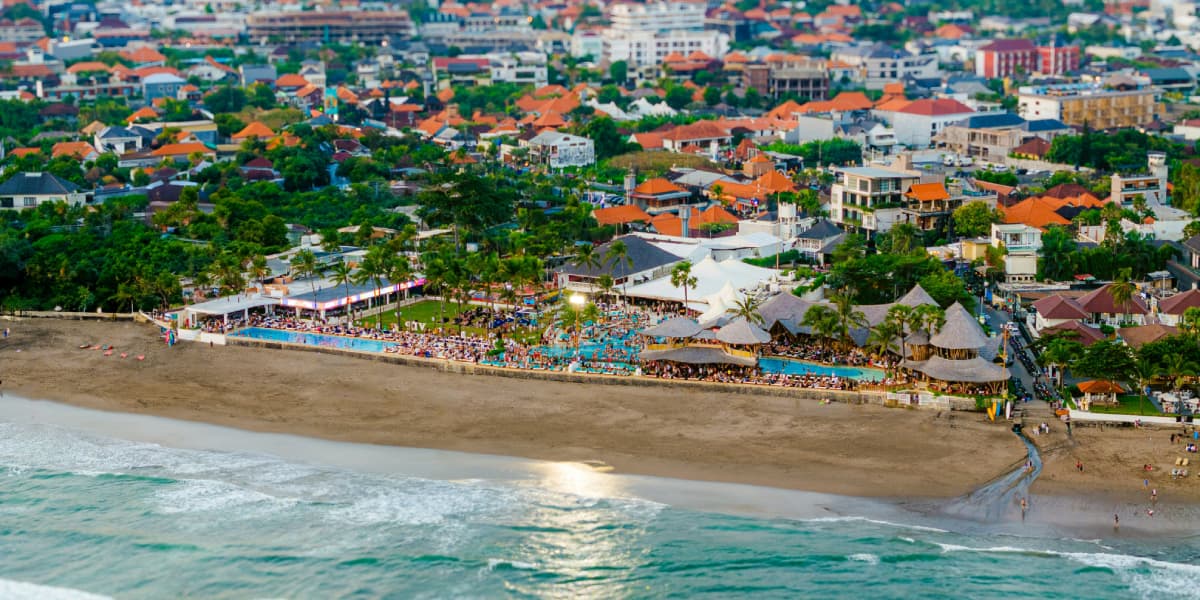
Short History of Canggu
Canggu was traditionally known as a coastal farming area, with rice fields, village roads, and small fishing communities spread across places like Batu Bolong, Berawa, and Pererenan. For many years, it was quieter than major tourism centers such as Kuta and Seminyak.
Its growth accelerated when more surfers began using its beach breaks, followed by independent cafes, villas, and creative businesses. In the past decade, Canggu developed into one of Bali's main hubs for remote workers and long-stay travelers. Even with rapid development, many local ceremonies, temples, and banjar traditions remain an active part of daily life in the area.
Why Choose a Holiday in Canggu?
Canggu has transformed from a quiet fishing village into one of the most sought-after tourist destinations in Bali. Unlike the heavily crowded Kuta or the beach-less inland (see our Canggu vs Ubud comparison), Canggu offers a perfect balance of beach lifestyle, nightlife & bars, and local Balinese culture. The main streets in Canggu - from Jl. Batu Bolong to Jl. Pantai Berawa - are filled with Instagram-worthy cafes & healthy restaurants, local warungs serving Balinese mixed rice, and surfboard shops stocking complete surfing gear.
Additionally, the supporting infrastructure for digital nomads and remote workers in Canggu is among the best in Southeast Asia. There are dozens of coworking spaces in Canggu with high-speed WiFi, meeting rooms, and an international professional community. For families and long-stay guests, there are options for private villas with pools and guest houses that are much more affordable compared to Seminyak or Nusa Dua. All this makes Canggu a flexible holiday choice - suitable for solo travelers, couples, families, and groups alike.
5 Main Reasons to Holiday in Canggu
- Largest Digital Nomad Community in Bali - Well-equipped coworking spaces in a tropical setting.
- Reliable Surfing Spots - Echo Beach, Batu Bolong, and Old Man's offer consistent waves for beginners via local surf schools and experienced surfers visiting Canggu surfing spots.
- Diverse & Affordable Culinary Scene - From Rp 20,000 (~$1.25) local nasi campur to fine dining in Pererenan.
- Rice Fields & Sunsets - Beautiful rice fields and sunsets at iconic beach clubs in Canggu.
- Flexible Accommodation - Stay options ranging from hostels to private pool villas.
Estimated Costs & Prices in Canggu Bali 2026
Below is a table of estimated daily costs commonly incurred by tourists during their stay in Canggu. These pricing details have been updated for 2026 from our Canggu cost of living report.
Methodology: Cost ranges are compiled from weighted checks across local business listings, menu snapshots, booking pages, and recent traveler reports to reflect practical market prices in Canggu.
| Expense Category | Estimated Price | Details |
|---|---|---|
| Scooter Rental (Automatic) | Rp 70,000 - 100,000/day (~$4.40-$6.30/day) | Honda Vario/Scoopy; cheaper rates apply for weekly or monthly rentals |
| Coffee at a Cafe | Rp 30,000 - 55,000/cup (~$1.90-$3.40/cup) | Latte, cappuccino, or specialty coffee; local coffee in warungs starts from Rp 8,000 |
| Meal at a Local Warung | Rp 20,000 - 40,000/portion (~$1.25-$2.50/portion) | Nasi campur, mie goreng, nasi goreng; includes iced tea or mineral water |
| Meal at a Tourist Restaurant | Rp 75,000 - 180,000/portion (~$4.70-$11.30/portion) | Western menu, healthy bowl, brunch; excludes tax and service charge |
| Beach Club Entry Ticket | Rp 150,000 - 500,000/person (~$9.40-$31.30/person) | FINNS, Atlas, La Brisa; usually redeemable for minimum spend on F&B |
| Villa Rental (Private Pool) | Rp 500,000 - 1,500,000/night (~$31-$94/night) | 1-2 bedroom villa with pool; prices vary by location and facilities |
| Surfing Class (Beginner) | Rp 250,000 - 400,000/session (~$15.60-$25/session) | Duration 1.5-2 hours; includes surfboard and certified local instructor |
| Coworking Space (Day Pass) | Rp 100,000 - 200,000/day (~$6.30-$12.50/day) | Fast WiFi access, AC, and common facilities; weekly/monthly packages available |
| Yoga Class | Rp 100,000 - 180,000/session (~$6.30-$11.30/session) | Drop-in class at a studio; 10-session packages are usually cheaper per class |
| Grab/Gojek to Airport | Rp 120,000 - 180,000 (~$7.50-$11.30) | Distance ~25 km; travel time 45-90 minutes depending on traffic conditions |
Need real-time foreign currency exchange calculations? Check out our free Bali Currency Converter & Live IDR Calculator to instantly convert USD, AUD, EUR, GBP, and SGD into Indonesian Rupiah (IDR) with live market rates and money changer safety tips.
Transportation & Getting Around Canggu
Traffic congestion is one of the biggest challenges in Canggu, especially on Jl. Raya Canggu and Jl. Batu Bolong during peak hours. The most practical and popular solution for getting around is daily scooter rental in Canggu. With a scooter, you can navigate small alleys and shortcuts inaccessible to cars. Other alternatives include airport transfer drivers or hiring a driver for day trips.
Please note that ride-hailing apps can have restrictions in certain pickup zones. Be sure to check our dedicated Canggu Grab & Gojek Red Zone guide before ordering rides in Batu Bolong or Echo Beach.
Weather & Best Time to Visit Canggu
Canggu enjoys a tropical climate with dry (April-October) and wet seasons. Check our live Canggu weather radar & forecast to plan your visit and surfing timing.
Explore More Canggu Guides
Looking for more travel tips? Visit our Canggu Guides & Blog Hub to explore area-by-area recommendations, safety advice, and itinerary planning tools.
How This Guide Is Updated
This homepage guide is maintained through recurring updates across local transport, accommodation, food, and activity listings in Canggu. Price ranges and practical travel details are reviewed against current local business listings and recent visitor feedback.
Primary references used:
- Official business listings (Google Maps / Google Business Profile) for operating hours, location, and review snapshots.
- Official business channels (website or social profile) for service updates and booking information.
- Recent traveler feedback collected through ExploreCanggu community contact points.
This guide is written and maintained by Fares, Editor at Explore
Canggu, based in Canggu since 2022. Read more on the author page or
see how listings and pricing get verified.
Last reviewed: August 26, 2026